Find IP66 Waterproof Pan Tilt Mount for Security, Outdoor, and Industrial Use
Source 30 units of IP66 waterproof pan tilt mount with aluminum die cast construction and RS485 interfaces. Buyers can compare models supporting up to 50kg loads, featuring Pelco-D/P protocols and operation temperatures from -25 to +65 Celsius for diverse surveillance needs.
Key considerations
Products List


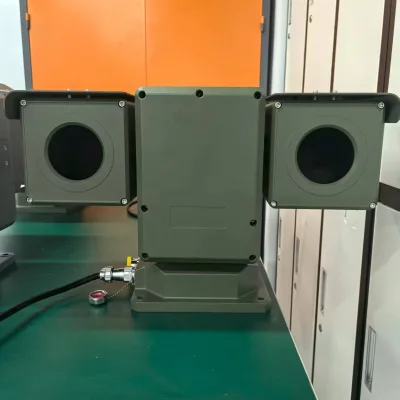


Comprehensive Sourcing Guide
Sourcing Guide for IP66 Waterproof Pan Tilt Mounts
The global demand for robust outdoor surveillance infrastructure has elevated the importance of high-performance pan-tilt mounts. For procurement professionals, the core keyword "IP66 waterproof pan tilt mount" represents a specific intersection of environmental resilience, mechanical precision, and electronic compatibility. Sourcing these components requires a disciplined approach that distinguishes between generic claims and verified technical realities. This guide provides a structured framework for evaluating suppliers, validating specifications, and ensuring long-term reliability without relying on unverified market assertions.
Understanding Technical Specifications and Mechanical Limits
When evaluating a pan-tilt mount, the primary focus must be on the mechanical envelope and the environmental rating. The IP66 rating is a critical baseline, indicating that the unit is dust-tight and protected against powerful water jets from any direction. This specification is non-negotiable for outdoor deployments in regions prone to heavy rain or high humidity. However, the IP66 rating alone does not guarantee operational success; the internal mechanical design must support the specific load requirements of the camera system.
Procurement teams must scrutinize the maximum load capacity. Market observations indicate a wide variance in load-bearing capabilities, ranging from lightweight units supporting 5kg to 10kg to heavy-duty industrial models capable of handling loads up to 50kg. The material composition is a strong indicator of durability. Aluminum die-cast construction is a standard observation for high-quality units, offering an optimal balance of weight and structural integrity. For instance, specific models in the supply chain utilize this material to achieve a weight of approximately 23kg while maintaining a 50kg load capacity, whereas lighter variants may weigh only 5.5kg with a 10kg load limit.
The motion capabilities define the utility of the mount. Buyers should verify the rotation angles against their specific surveillance needs. Standard configurations often feature a 360-degree continuous pan rotation, allowing for unlimited horizontal scanning. The tilt angle is typically more constrained, with common ranges observed between +60 to -60 degrees or +20 to -60 degrees. The drive mechanism is another critical technical differentiator. Worm-gear drives are frequently cited as the preferred method for ensuring smooth, stable movement and preventing back-driving, which is essential for maintaining camera positioning in windy conditions.
Compliance, Certification, and Regulatory Standards
In the B2B sector, compliance is as vital as performance. A robust pan-tilt mount must adhere to international safety and environmental standards. The supply chain data highlights several recurring certifications that serve as indicators of quality assurance. CE marking is a fundamental requirement for products entering the European market, ensuring compliance with health, safety, and environmental protection standards. Similarly, RoHS compliance confirms that the product is manufactured without restricted hazardous substances, a critical factor for environmental regulations globally.
Electromagnetic compatibility (EMC) is another area requiring strict verification. The presence of EMI/EMC certification ensures that the mount does not emit excessive electromagnetic interference that could disrupt nearby equipment, nor is it unduly susceptible to external interference. In the context of electronic components, FCC certification is often observed for products targeting the North American market, while CCC (China Compulsory Certification) is relevant for domestic Chinese manufacturing and export. ISO9001 certification indicates that the manufacturer operates under a certified quality management system, which is a strong proxy for consistent production quality.
Buyers must also verify the operational temperature range. Outdoor equipment is subject to extreme thermal fluctuations. Observed specifications suggest a functional operating range of -25 to +65 degrees Celsius. This range is essential for deployments in climates that experience freezing winters or scorching summers. When evaluating a supplier, procurement officers should request test reports or data sheets that explicitly confirm the unit's performance within these temperature limits, rather than relying on general marketing claims.
Cost Drivers and Pricing Structures
The pricing of IP66 waterproof pan-tilt mounts is influenced by a complex matrix of factors, including load capacity, material quality, and electronic integration. The observed market price range is extensive, spanning from $1 to $1,700 USD. This wide disparity reflects the difference between basic analog-compatible mounts and advanced models featuring integrated zoom capabilities, remote control systems, and high-load capacities.
A primary cost driver is the motor technology and control protocol. Units supporting advanced protocols like Pelco-D or Pelco-P, which allow for precise camera control via RS485 or RS422 interfaces, often command a higher price point. Additionally, the inclusion of features such as remote control functionality, auto-scan paths, and presetting capabilities (e.g., 255 presets) adds to the manufacturing complexity and cost. Power consumption is another variable; while some units operate at less than 30W, others designed for heavier loads may consume up to 80W, impacting the overall energy efficiency and long-term operational costs.
Minimum Order Quantity (MOQ) also plays a significant role in the total cost of ownership. The observed MOQ range extends from 1 unit to 10,000 units. For small-scale projects or pilot deployments, buyers may find suppliers with low MOQs, though the unit price may be higher. Conversely, large-scale infrastructure projects can leverage economies of scale by ordering in bulk, potentially reducing the per-unit cost significantly. Buyers should negotiate based on their specific volume requirements and lead time expectations, understanding that higher volumes often correlate with more favorable pricing tiers.
Typical Applications and Deployment Scenarios
The versatility of IP66 waterproof pan-tilt mounts makes them suitable for a diverse array of applications. The ability to support both IP and analog camera types ensures compatibility with legacy systems and modern network-based surveillance setups. In the security sector, these mounts are essential for perimeter monitoring, where the 360-degree pan and wide tilt range allow a single unit to cover large areas effectively. The waterproof and weatherproof features make them ideal for outdoor installations in harsh environments, such as ports, highways, and industrial facilities.
Specific applications depend heavily on the load capacity and resolution support. Heavy-duty mounts with a 50kg load capacity are often deployed in industrial settings where large, high-resolution cameras or specialized sensors are used. These units must withstand high winds and potential physical stress. Lighter units, supporting 5kg to 10kg, are typically used in commercial buildings, retail environments, or residential complexes where smaller cameras are sufficient. The inclusion of features like auto-scan and presetting allows for automated surveillance patterns, reducing the need for constant human monitoring.
The choice of material and protection class also dictates the application. Aluminum die-cast units with an IP66 rating are preferred for coastal areas or regions with high salinity, as the material offers superior corrosion resistance. The operational temperature range ensures reliability in extreme climates, making these mounts suitable for deployments in both arctic and tropical regions. Buyers should align the specific technical specifications of the mount with the environmental challenges of the deployment site to ensure long-term performance.
Supplier Evaluation and Quality Control
Evaluating a supplier for pan-tilt mounts requires a multi-faceted approach that goes beyond price comparisons. Geographic origin is a relevant factor, with many manufacturers located in industrial hubs such as Jinan City in Shandong Province, China. This region is known for its concentration of surveillance equipment manufacturers. However, the location alone does not guarantee quality; buyers must verify the supplier's track record and adherence to the previously mentioned certifications.
Quality control processes should be a central part of the supplier evaluation. Buyers should inquire about the manufacturer's testing protocols, specifically regarding the IP66 rating, load testing, and temperature cycling. The presence of ISO9001 certification suggests a structured approach to quality management, but it is advisable to request specific test reports for the models being considered. Packaging is another indicator of care; standard cartons or wooden cases are common, but the quality of the packaging can reflect the manufacturer's attention to detail in protecting the product during transit.
When assessing the product attributes, buyers should look for consistency in the data provided. For example, if a supplier claims a specific load capacity, they should be able to provide documentation supporting that claim. The interface and protocol specifications must match the buyer's existing infrastructure. Mismatches in communication protocols, such as using Pelco-D when Pelco-P is required, can lead to integration failures. Therefore, a thorough technical review of the product datasheet is essential before placing an order.
Long-Term Procurement and Maintenance Considerations
Sourcing pan-tilt mounts is not a one-time transaction but a long-term investment in surveillance infrastructure. Buyers must consider the lifecycle costs, including maintenance, spare parts availability, and potential replacement needs. The power consumption specifications, such as less than 30W or 80W, impact the energy costs over the lifespan of the installation. Efficient units reduce the operational burden and are preferable for large-scale deployments.
The availability of technical support and warranty terms is crucial for long-term success. Suppliers that offer comprehensive support for troubleshooting and repair can significantly reduce downtime. Buyers should also consider the modularity of the mount; if a component fails, can it be replaced easily, or does the entire unit need to be swapped? The use of standard materials like aluminum die-cast and standard interfaces like RS485 facilitates easier maintenance and integration with third-party systems.
Finally, buyers should plan for future scalability. As surveillance technology evolves, the need for higher resolutions or different communication protocols may arise. Selecting mounts that support a wide range of camera types, including both IP and analog, provides flexibility for future upgrades. By focusing on verified specifications, robust certifications, and reliable supplier relationships, procurement professionals can ensure that their investment in IP66 waterproof pan-tilt mounts delivers consistent performance and value over time.
Comparative Analysis of Key Product Attributes
To assist in the decision-making process, the following table summarizes the key technical attributes observed in the supply chain. This comparison highlights the variance in capabilities and helps buyers identify the specifications that align with their specific project requirements.
| Attribute | Low-Capacity / Lightweight Model | High-Capacity / Heavy-Duty Model |
|---|---|---|
| Max Load | 5kg - 10kg | Up to 50kg |
| Weight | ~5.5kg | ~23kg |
| Material | Aluminum Die Cast | Aluminum Die Cast |
| Pan Rotation | 0°~360° Continuous | 0°~360° Continuous |
| Tilt Rotation | +60°~-60° | +20°~-60° |
| Power Consumption | < 30W | < 80W |
| Protection Class | IP66 | IP66 |
| Interface | RS485 / RS422 | RS485 / RS422 |
| Protocol | Pelco-D / Pelco-P | Pelco-D / Pelco-P |
| Certifications | CE, RoHS, FCC | CE, RoHS, FCC, ISO9001 |
This comparison underscores that while the fundamental protection class and interface standards remain consistent, the mechanical load and power specifications vary significantly. Procurement teams must select the model that matches the weight of their camera equipment and the environmental demands of the installation site. By adhering to these evidence-based guidelines, buyers can navigate the complex landscape of surveillance equipment sourcing with confidence and precision.
FAQs
What certifications do IP66 waterproof pan tilt mounts typically have?
These mounts commonly hold CE, RoHS, FCC, and ISO9001 certifications. Some models also include EMI/EMC compliance and CCC marking to ensure safety and environmental standards are met for global deployment.
How much load can a heavy-duty IP66 pan tilt mount support?
Heavy-duty units can support loads up to 50kg, while lighter models handle between 5kg and 10kg. The maximum capacity depends on the specific model and construction material used.
Which materials are used for durable outdoor pan tilt mounts?
Aluminum die-cast is the standard material for high-quality units. This choice provides an optimal balance of structural integrity and weight, ensuring resistance to corrosion in harsh environments.
Can these mounts operate in extreme temperature conditions?
Yes, they function within an operating temperature range of -25 to +65 degrees Celsius. This range ensures reliability in both freezing winters and scorching summers for outdoor surveillance.
What protocols are supported for remote camera control?
The mounts support Pelco-D and Pelco-P protocols for precise control. Communication is facilitated through RS485 or RS422 interfaces, allowing integration with various surveillance systems.
How is the pan and tilt movement configured in these units?
Pan rotation offers 0 to 360-degree continuous movement for unlimited scanning. Tilt angles typically range from +60 to -60 degrees or +20 to -60 degrees depending on the model.
What is the typical power consumption for these mounts?
Power consumption varies by model, ranging from less than 30W to less than 80W. Lower power units are often lighter, while heavier duty models require more energy for operation.
Where are these products typically manufactured?
Many manufacturers are located in Jinan City, Shandong Province, China. This region is a known hub for surveillance equipment production with established supply chains.